



Technical Project Manager Without Coding? Your Practical Guide
Do you aspire to become a Technical Project Manager (TPM) but lack programming experience? It's entirely possible! The TPM role primarily serves as a bridge between the business and IT worlds, demanding a deep understanding of technology rather than coding proficiency. This guide will show you how to develop the necessary competencies and effectively manage technology projects, even without writing a single line of code.


Technical Project Manager – A Bridge or a Barrier Between Business and IT?
The modern IT market increasingly seeks Technical Project Managers (TPMs) who combine managerial skills with technical understanding. This role doesn't require being a programmer, but the ability to communicate freely with the development team and make sound project decisions is crucial. A TPM acts as a catalyst for effective collaboration, translating complex business requirements into language understandable to engineers and vice-versa.
The traditional division between business and technology is increasingly blurring in agile organizations. Technical experts are moving closer to the business, and managers need to understand technical aspects. This is where the TPM plays a key role, eliminating communication barriers and building a shared understanding of project goals. Instead of focusing on writing code, the TPM concentrates on strategy, architecture, and the technical consequences of decisions, leading to faster and more effective implementations.
Transparent communication is the foundation of any successful project. A TPM, by asking appropriate technical questions, enhances the knowledge of the entire team and accelerates decision-making processes. It's not about knowing every technological answer, but about knowing what to ask and how to interpret answers that impact the project's schedule, budget, and quality. This approach helps in resolving problems before they become 'fires' within the project.
Is your e-commerce holding back your growth?
See how our enterprise-class solutions eliminate technical debt and boost conversion rates!
Key Competencies for a Technical Project Manager (Without a Single Line of Code)
While programming experience isn't necessary to become an effective TPM, certain technical and soft skills are absolutely essential. Remember, the goal is to understand, not to execute, technical tasks.
Required (must-have):
Deep Understanding of Technology: You don't need to code, but you must know how various technologies work, their capabilities, and their limitations. In an e-commerce context, understanding headless architecture, API functionality, or CMS systems (like Storyblok) is crucial. This enables informed management of project scope and quality.
Effective Communication Skills: This is foundational. A TPM must be able to convey information between technical teams and business stakeholders clearly and understandably. Effective communication prevents misunderstandings and accelerates implementation. The ability to ask appropriate technical questions is invaluable here.
Project Management: Knowledge of agile methodologies (Scrum, Kanban) and traditional (Waterfall) approaches is key. This includes planning, scheduling, budget management, and risk management. BeeCommerce leverages flexible approaches that allow for iterative development and adaptation to changing requirements.
Understanding Business Justification: Every technical decision impacts the business. A TPM must understand the project's business objectives to assess whether technical solutions support or hinder these goals. This allows for decisions that genuinely impact ROI and project success.
Risk Management: Identifying potential technical issues, assessing their impact, and developing mitigation plans are critical skills. For example, understanding the risks associated with technical debt allows for proactive measures and avoiding costly problems in the future.
Optional (nice-to-have):
Fundamentals of DevOps and CI/CD: Knowledge of Continuous Integration/Continuous Delivery processes, deployment automation, and infrastructure management (e.g., Docker, Kubernetes) is highly beneficial, even without hands-on configuration skills.
Experience in Business Analysis and IT System Design: The ability to analyze requirements, create functional and non-functional specifications, and participate in system architecture design.
IT Security Basics: Understanding fundamental security threats and mitigation strategies.
How to Build Your Path to a TPM Role?
Transitioning into a Technical Project Manager role without programming experience requires a strategic approach and continuous development. Here are practical steps you can take:
Education and Certifications: Obtain project management certifications (e.g., PMP, PRINCE2, Agile certifications). Look for online courses or training focused on system architecture, web technologies (especially in the context of headless e-commerce), and software engineering. The PMI Talent Triangle® framework emphasizes the importance of Technical Project Management.
Active Listening and Questioning: In your daily work with technical teams, actively listen and ask questions to understand the technical context. Don't be afraid to ask 'why?' or 'what are the consequences of this decision?'. This builds your knowledge and trust within the team.
Understanding Technical Consequences: Focus on how technical decisions impact the project. For instance, understanding the purpose and benefits of refactoring (an action to improve the internal quality of code) will allow you to make an informed decision, even if you don't know how to perform it. This impacts the cost of system maintenance and development.
Building Organizational Context: Deepen your knowledge of the systems, processes, and tools used within your company. The better you understand how everything works, the more effectively you'll manage projects. At BeeCommerce, we emphasize the synergy between Business and IT, meaning every team member understands the broader project context.
Mentoring and Collaboration: Find an experienced TPM or architect who can be your mentor. Learn from them how they make decisions and communicate with various stakeholders. Collaborate with technical teams to understand their challenges and perspectives.
Self-Study: Read industry blogs, whitepapers, and technical documentation. Follow technology trends, such as the development of AI in e-commerce or new frontend frameworks. This knowledge will help you better understand the technical context and make informed decisions.
BeeCommerce and the TPM Role in E-commerce Projects
At BeeCommerce, we understand that the Technical Project Manager role is crucial for the success of modern e-commerce projects, especially within a headless architecture. Our experience shows that effective communication between business and technology is fundamental, particularly when building complex solutions.
Our team of 12 specialists, including experienced Project Managers (like Natalia Nerkowska) and technical experts (like Dima Kravchenko or Piotrek Stanek), knows the importance of a PM understanding the technical nuances of a project, without needing to code themselves. This allows us to manage projects efficiently from strategy to implementation, minimizing risks and ensuring high quality.
We work with clients who need a partner capable of translating their business vision into concrete technological solutions. Whether we are implementing Shopify Hydrogen, configurators in Magento 2, or prototyping AI solutions, the role of a TPM (or a PM with strong technical competencies) is invaluable. This helps in avoiding technical debt and ensures that technological investments genuinely support business growth.
Summary: Your Path to a Technical Project Manager Role
TPM is a Bridge: The TPM role is about connecting business with IT, not coding.
Understanding Over Execution: Crucial is understanding technology, its capabilities, and consequences, not the ability to program it.
Communication is Key: Effective communication between technical and business teams is essential for project success.
Continuous Development: Invest in education, certifications, and self-study to build your technical and managerial knowledge.
Collaboration and Mentoring: Learn from experienced experts and actively participate in technical discussions.
Business Context: Always remember the project's business goals and the impact of technical decisions on ROI.


Let's talk about potential areas of collaboration!
Hi!
during the first consultation we'll analyze your goals through the lens of ROI and operational risk. Whether we're building an Enterprise system, an application, or an AI automation — together we'll plan an architecture that eliminates your technical debt and unlocks scalability.


You can find more articles on this topic on our blog

E-commerce Teamwork Mechanics: Effective Working Agreements
Discover why most working agreements fail and how to build robust team mechanisms for e-commerce, reducing friction and technical debt with BeeCommerce.
8 min
Read more
Small Changes, Big Gains: 6 Strategic Implementations for Your Business
Discover the strategies that will increase your business's profits. Learn how small investments impact financial performance and sustainable growth in the e-commerce sector.
7 min
Read more
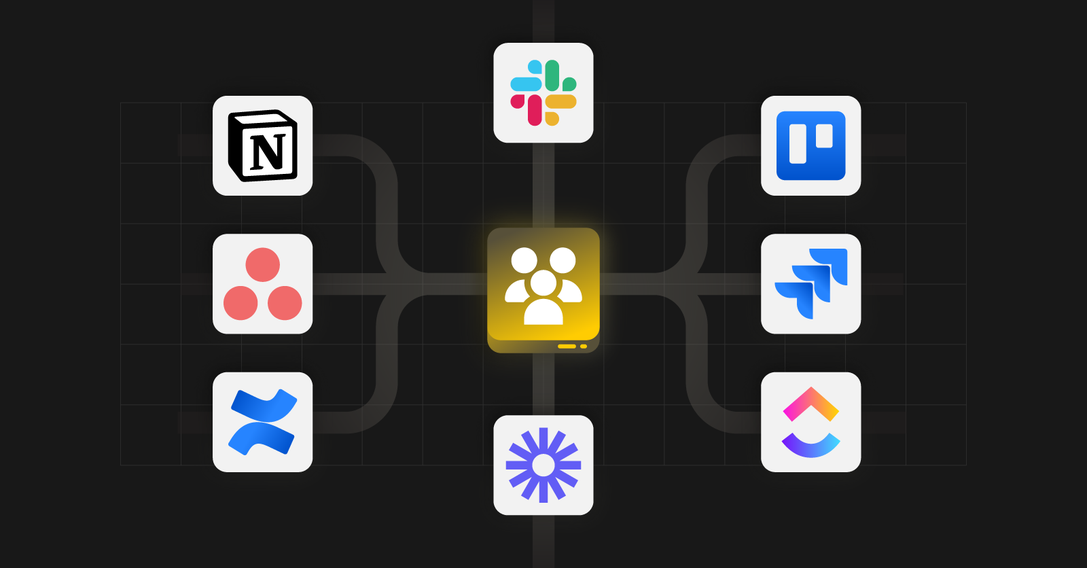
The Best Tools for Team and Project Management in E-commerce
Looking for the best tool for team and project management in e-commerce? Discover Jira, ClickUp, Trello, Asana, and more. Choose the software that will boost your team's efficiency!
14 min
Read more